
Heavy Equipment Collision Avoidance
Proximity detection between haul trucks, light vehicles, and people on foot, with alerts in the cab and in the control room
The bigger the machine, the less its operator can see
Operators of haul trucks and other large surface equipment depend on mirrors and cameras that cover only part of the machine's surroundings. A light vehicle or a person on foot inside a blind area is invisible from the cab, and a loaded truck cannot stop quickly once a conflict develops.
Most sites answer this with radio calls, spotters, and standoff rules. Those controls depend on every person following them every time, and they leave nothing behind. When a close call happens, there is no shared record of who was where.
RTS closes that gap by tracking every vehicle and every person on the pit floor, predicting conflicts before they become contacts, and alerting the operator, the pedestrian, and the control room at the same time.
Blind areas around large equipment
Mirrors and cameras cover part of the machine's surroundings. A pickup or a pedestrian inside a blind area cannot be seen from the cab, no matter how careful the operator is.
Procedures without verification
Radio protocols, spotters, and standoff distances depend on people following them every time. Nothing confirms compliance, and nothing catches the one time it slips.
Near misses leave no record
Without position data, a close call between a truck and a pedestrian is a verbal report at best. Safety teams cannot fix haul road conflicts they cannot see.
What RTS Provides
A full platform deployment: vMonitor as the alerting engine and user interface, with RTS hardware on every machine and person on the pit floor.
RTS Trackers
In-Vehicle Tablet (IVT)
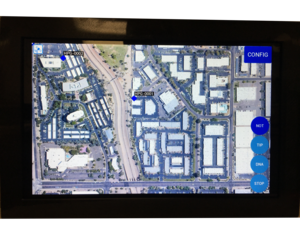
Driver display in the cab. The alert triggers where the driver can see and hear it, at the same moment the operations center does.
Vehicle Tracking Unit (VTU)
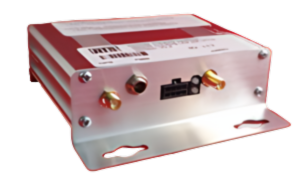
Fleet tracker with alerting LEDs and buzzer. Adds a CAN/J1939 interface for fault codes, fuel levels, and diagnostics.
Personnel Tracking Unit (PTU)
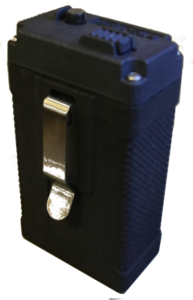
Compact tracker for people on foot, with SOS button, vibration, and buzzer alerting.
Mobile Tracking Application
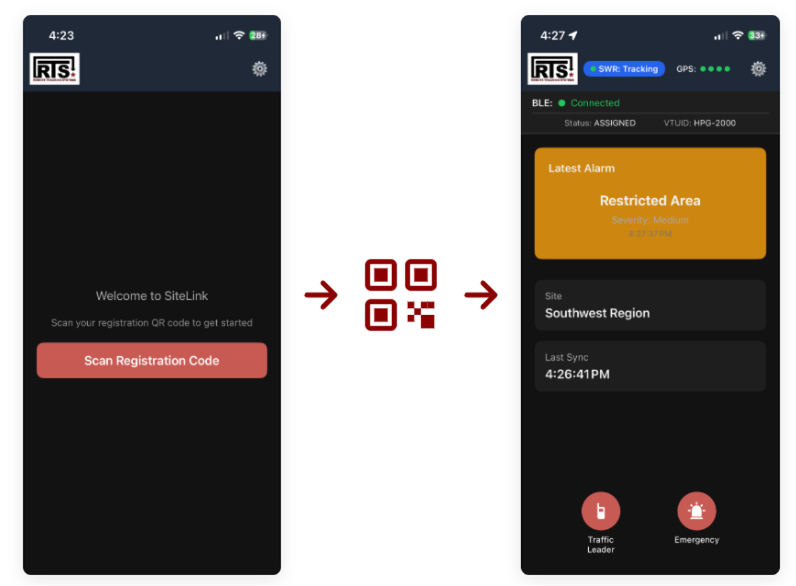
Phone-based tracking with QR code onboarding. Pairs with a vehicle's tracker over Bluetooth, and falls back to the phone's own GPS on foot.
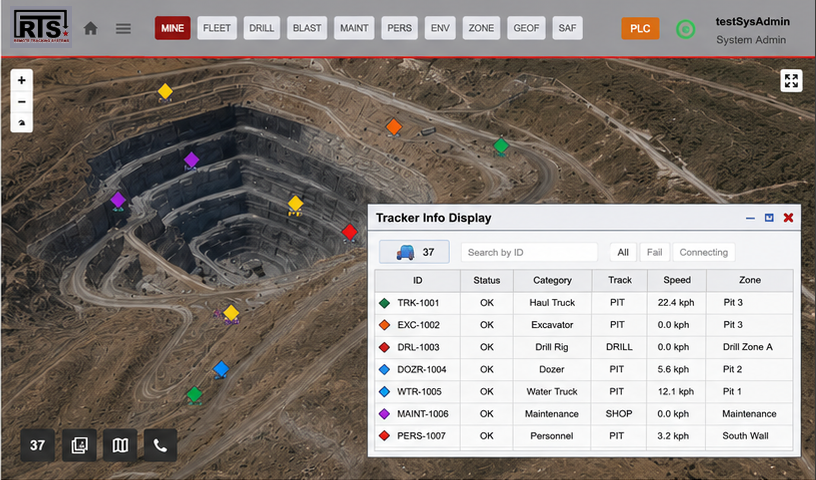
vMonitor · Alerting Engine + User Interface
RTS Trackers
In-Vehicle Tablet (IVT)
Driver display in the cab. The alert triggers where the driver can see and hear it, at the same moment the operations center does.
Vehicle Tracking Unit (VTU)
Fleet tracker with alerting LEDs and buzzer. Adds a CAN/J1939 interface for fault codes, fuel levels, and diagnostics.
Personnel Tracking Unit (PTU)
Compact tracker for people on foot, with SOS button, vibration, and buzzer alerting.
Mobile Tracking Application
Phone-based tracking with QR code onboarding. Pairs with a vehicle's tracker over Bluetooth, and falls back to the phone's own GPS on foot.
vMonitor · Alerting Engine + User Interface
Aligned to the EMESRT vehicle interaction framework at Level 7 (operator awareness) and Level 8 (advisory alerting), without requiring integration into machine braking or propulsion. MSHA's 30 CFR 56.23003 requires US surface mine operators to identify and evaluate feasible safety technologies, including collision-avoidance and collision-warning systems, as part of a written safety program (Subpart T, compliance date July 17, 2024).
How RTS Solves It
A dynamic safety zone around every machine
vMonitor builds a protection zone around each tracked vehicle that grows and shrinks with speed and vehicle type. A haul truck at speed carries a larger zone than a parked light vehicle.
Conflict prediction before contact
The platform calculates time to collision, closest point of approach, and closing speed between converging equipment, then warns with a clock position callout such as "Truck at 2 o'clock."
Alerts where they matter, in the cab and on the person
Operators get warnings on the in-cab display. People on foot carry a tracker that vibrates and sounds a buzzer when a machine closes on their position. The control room sees every alert as it happens.
Every near miss logged and replayable
Position histories are recorded, so safety teams can reconstruct close calls with Incident Replay, spot recurring conflict points, and correct traffic patterns before an incident.
Where This Applies
RTS deploys as a standalone platform or integrates into your existing systems. The same solution scales across sectors, adapting to your infrastructure, regulatory environment, and operational requirements.
- Surface Mining: Haul trucks, dozers, graders, light vehicles, and pedestrians share haul roads and loading areas. Dynamic zones and in-cab alerts keep operators aware of everything converging on their position.
- Construction & Aggregates: Excavators, loaders, and haul trucks work alongside ground personnel in layouts that change week to week. The same proximity alerting deploys without fixed infrastructure.
- Automotive Proving Grounds: The same conflict prediction that separates mining equipment separates test vehicles and support traffic. RTS already runs it on active proving grounds.
Solve Heavy Equipment Collision Avoidance on your site
Talk to our team about your environment, fleet, and constraints. We will scope a working solution with you.
Contact Us