
Proving Grounds
Vehicle tracking, track access control, and collision alerting for proving grounds and test facilities
Dozens of test programs share one property, coordinated by schedules and radio calls
Durability loops, brake and handling tests, and robotically driven vehicle programs share the same network of tracks, and between them move customer teams, guest drivers, facility contractors, and shuttle traffic. Every program has its own booked surfaces, its own speeds, and its own rules.
Coordinating all of it usually comes down to spreadsheets and radio, so the challenges compound: a scheduling slip puts two tests in the same corner, a robotically driven vehicle cannot react to traffic its control system has not seen yet, visiting drivers do not know the facility's rules, and when a conflict happens the review is one-sided because only the robotic vehicle logged its data.
RTS tracks every vehicle on the facility, ties positions to track bookings so access violations trigger alarms, and can feed live positions of human-driven vehicles directly into robot control software.
Concurrent programs, one facility
Multiple teams book overlapping surfaces every day. One scheduling slip or missed radio call puts two tests in the same corner.
Robots blind beyond their sensors
A robotically driven vehicle only reacts to what its control system can see. Traffic approaching from outside that view is not part of its decision-making.
One-sided incident records
The robotic vehicle logs its own telemetry. Without independent position data for every vehicle involved, post-incident review stays incomplete.
The Site Awareness Platform
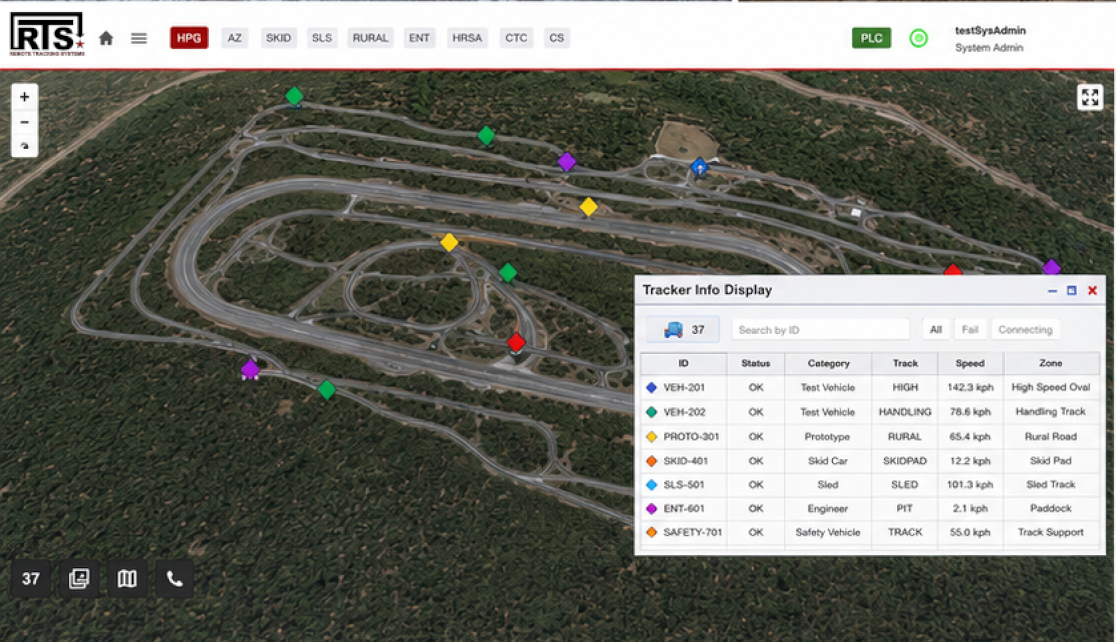
The Site Awareness Platform ties every vehicle to its booked surface: RTS trackers in the vehicles, and vMonitor enforcing track access and alerting the driver and the operations desk at the same moment.
How the Platform Fits
Bookings enforce track access
The task management portal ties every vehicle to its booked surface. A vehicle entering a track it has not booked triggers an alarm in the vehicle and the control room.
Live positions fed to robot control
Positions of RTS-tracked human-driven vehicles stream into robot control software, so the robot knows about traffic its own sensors cannot see yet. Positions are typically accurate to 10-20 cm with PPP and Galileo HAS corrections.
Speed and zone alerting per test area
Speed limits, wrong direction rules, and restricted zones are set per surface. Violations alert the driver and the operations desk at the same moment.
Track utilization and Incident Replay
Every position is recorded, so facilities can report actual track utilization, settle scheduling disputes, and reconstruct any conflict with Incident Replay.
Use Cases
Driver Safety & Traffic Management
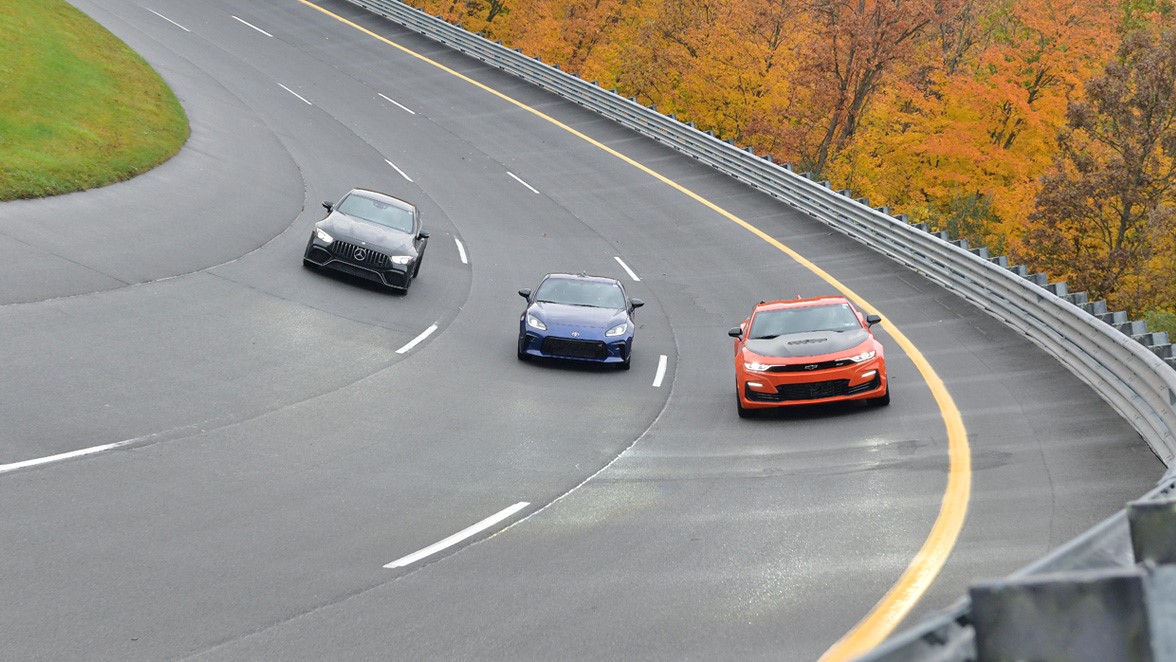
Speed, direction, and track access alerting for the whole facility, with driver behavior data per vehicle.
Read the Use Case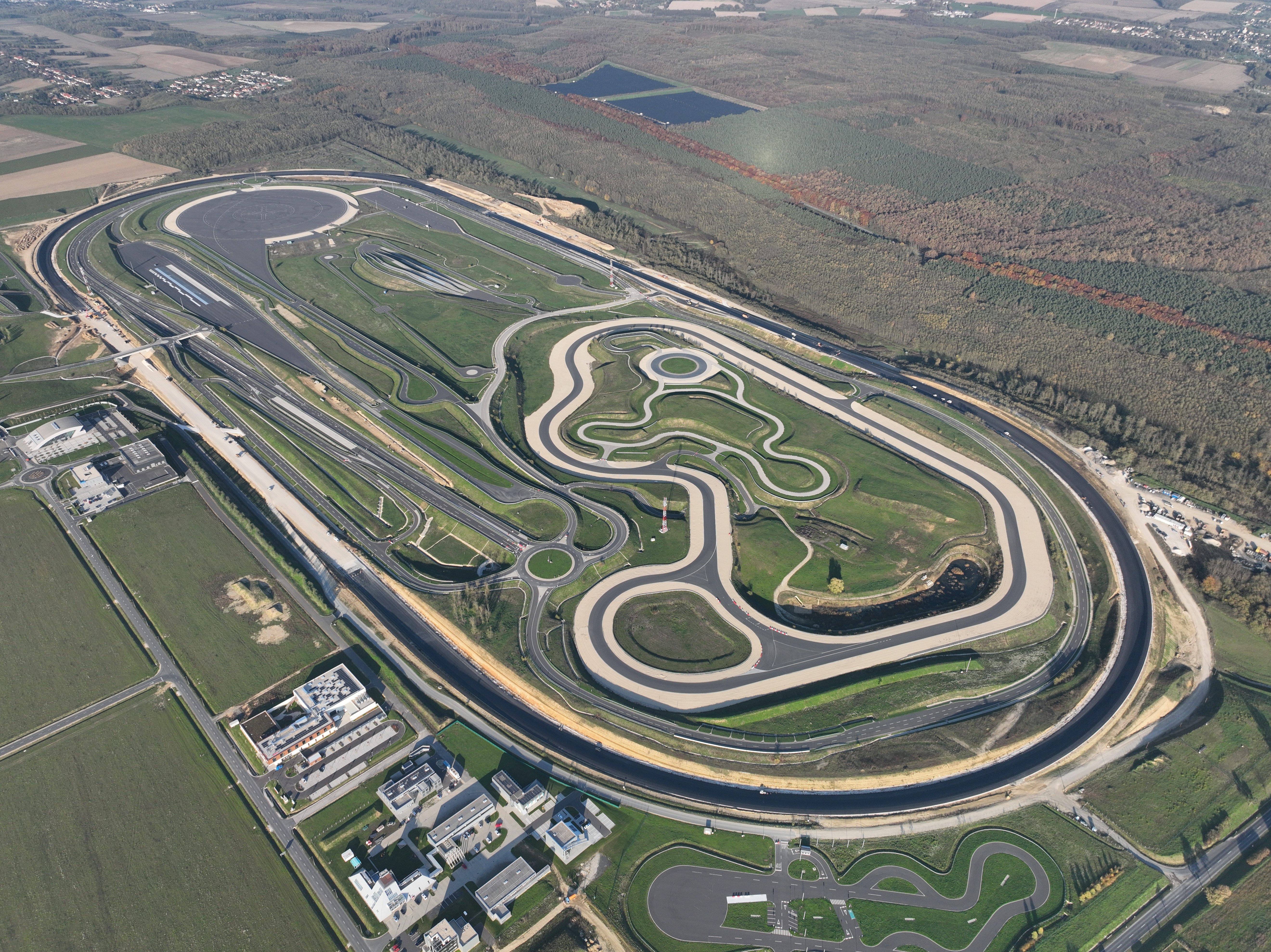
Mixed Traffic Durability Testing
Live positions of RTS-tracked human-driven vehicles, fed into robot control software.
Read the Use CaseReady to enhance your operations?
Contact us today to learn more about our Proving Grounds and how they can benefit your organization.
Contact Us