
Movement Area Access & Alerting
Alert rules that know which device categories are permitted where, so alarms mean something when they trigger
False alarms teach operators to stop listening
An airfield surface carries ops vehicles, maintenance crews, fueling trucks, FOD inspection teams, construction contractors, and security patrols at once. Most alerting treats them all identically, so operators face a stream of alarms that are technically true and operationally meaningless.
The result is alert fatigue. When everything alarms, operators tune out, and the one alert that matters, a vehicle or pedestrian deviation (VPD) in progress, a vehicle headed the wrong way, or one closing on an aircraft, looks exactly like the noise.
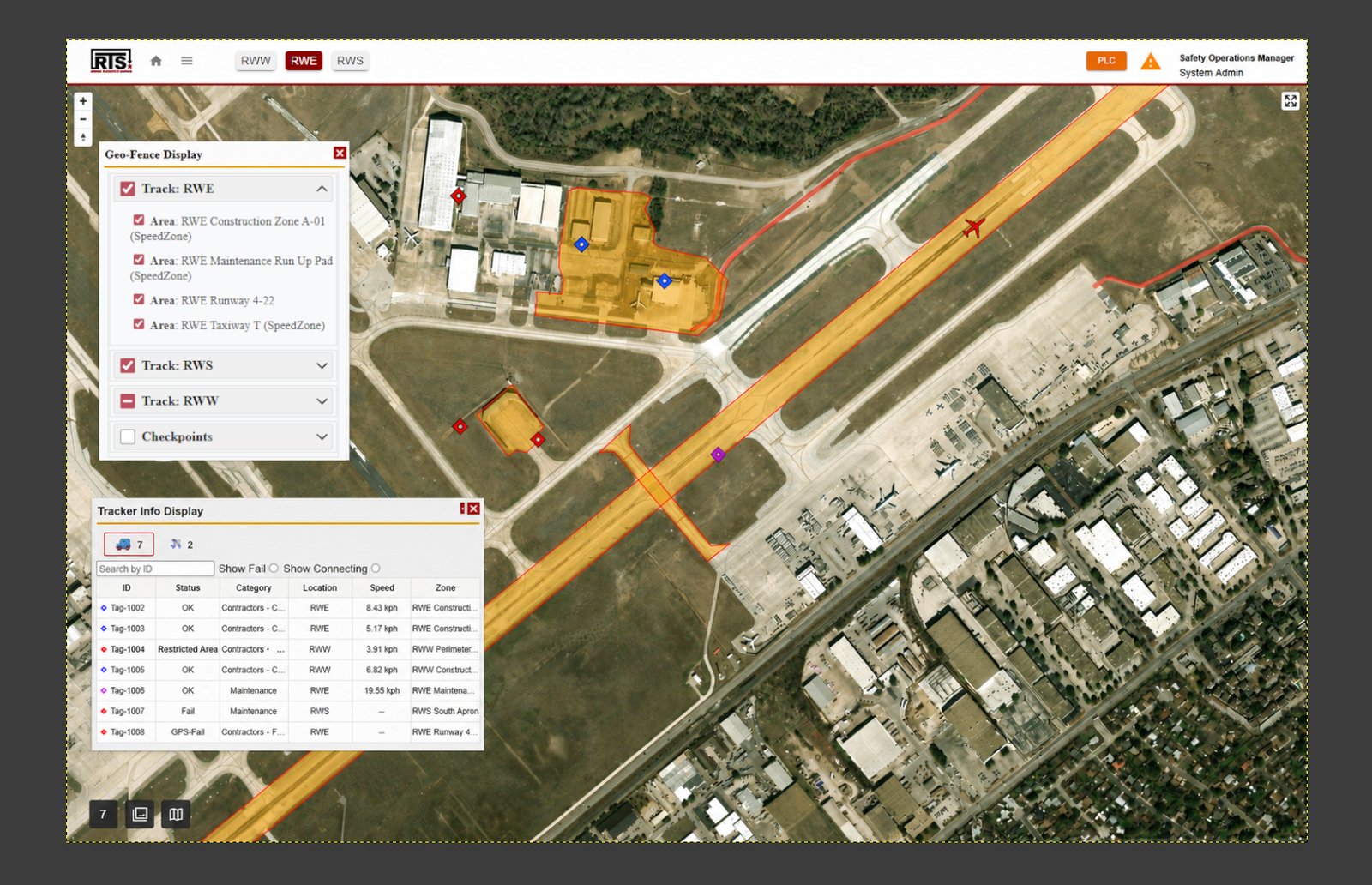
RTS scopes alerting to device category and zone. A vehicle whose category is permitted in a zone works quietly, and its access is logged. The same vehicle in a zone its category is not permitted in alerts the driver in the cab and the operations center at the same moment.
Operators tune out constant alarms
Untargeted rules trigger on authorized work all day. Operators learn to ignore the console, and the real violations get ignored with everything else.
Authorized and unauthorized look the same
Without permission rules tied to device category and a record of zone access, a vehicle allowed in a zone and one that is not show up as the same dot on the map.
Aircraft conflicts develop fast
A ground vehicle converging on an aircraft is the highest-stakes conflict on the surface, and detecting it takes a picture that includes both.
What RTS Provides
A full platform deployment: vMonitor as the alerting engine and user interface, with RTS hardware on everything working the surface.
RTS Trackers
In-Vehicle Tablet (IVT)
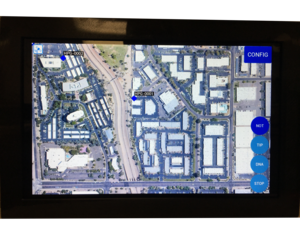
Driver display in the cab. The alert triggers where the driver can see and hear it, at the same moment the operations center does.
Vehicle Tracking Unit (VTU)
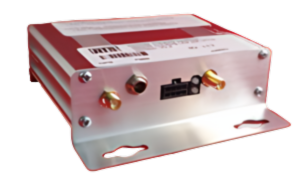
Fleet tracker with alerting LEDs and buzzer. Adds a CAN/J1939 interface for fault codes, fuel levels, and diagnostics.
Personnel Tracking Unit (PTU)
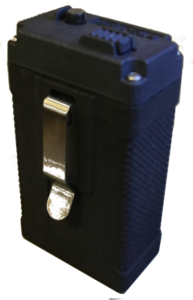
Compact tracker for people on foot, with SOS button, vibration, and buzzer alerting.
Mobile Tracking Application
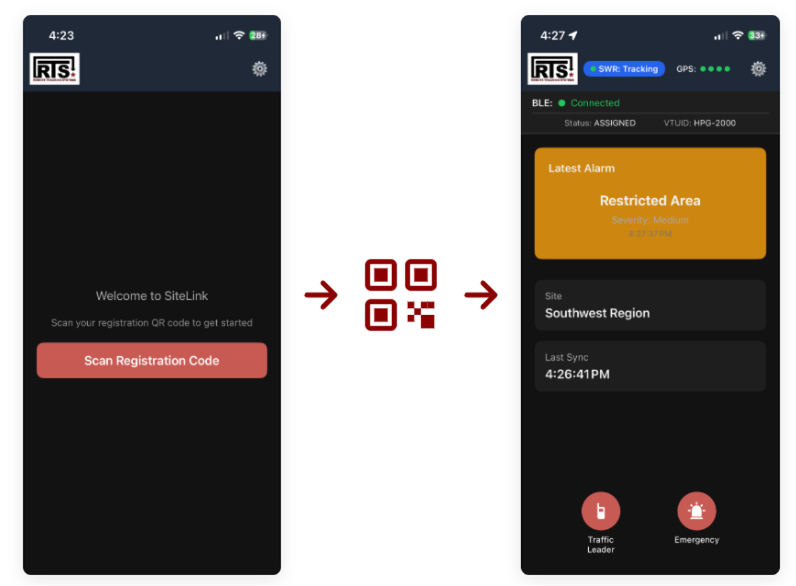
Phone-based tracking with QR code onboarding. Pairs with a vehicle's tracker over Bluetooth, and falls back to the phone's own GPS on foot.
vMonitor · Alerting Engine + User Interface
RTS Trackers
In-Vehicle Tablet (IVT)
Driver display in the cab. The alert triggers where the driver can see and hear it, at the same moment the operations center does.
Vehicle Tracking Unit (VTU)
Fleet tracker with alerting LEDs and buzzer. Adds a CAN/J1939 interface for fault codes, fuel levels, and diagnostics.
Personnel Tracking Unit (PTU)
Compact tracker for people on foot, with SOS button, vibration, and buzzer alerting.
Mobile Tracking Application
Phone-based tracking with QR code onboarding. Pairs with a vehicle's tracker over Bluetooth, and falls back to the phone's own GPS on foot.
vMonitor · Alerting Engine + User Interface
The alerting engine is aligned to FAA AC 150/5210-25A, the FAA's performance specification for airport vehicle runway incursion warning systems.
How RTS Solves It
Alert rules by category and zone
Every tracker carries a category: ops, maintenance, fueling, FOD inspection, construction, security. Rules are set per category, per zone, so alarms trigger only where that class of vehicle should not be.
Permission-based alerting
Access permissions are set per device category and zone, and every zone entry is logged. A permitted vehicle works quietly; one outside its permissions alerts the driver in the cab and the operations center at the same moment.
Detection built for the surface
Wrong-way travel, out-of-bounds from an assigned route, overspeed, vehicle-to-vehicle and vehicle-to-person proximity, and vehicle-to-aircraft proximity via ADS-B.
Access enforced, not just observed
Operator-to-equipment authorization controls who is cleared for which vehicles, barrier and gate integration controls entry, and every access and violation is logged per zone for defensible documentation.
Where This Applies
RTS deploys as a standalone platform or integrates into your existing systems. The same solution scales across sectors, adapting to your infrastructure, regulatory environment, and operational requirements.
- Commercial & Regional Airports: Ops, fueling, and construction categories each get their own rules per zone, and ORAT trial fleets onboard as their own category during commissioning.
- Military Airbases: The same category and permission discipline applies to flightline access, with every movement logged and replayable.
- Vertiports & Heliports: Ground crews and service vehicles work tight footprints around active pads. The same category rules and access records scale down to a single-pad site.
Solve Movement Area Access & Alerting on your site
Talk to our team about your environment, fleet, and constraints. We will scope a working solution with you.
Contact Us